
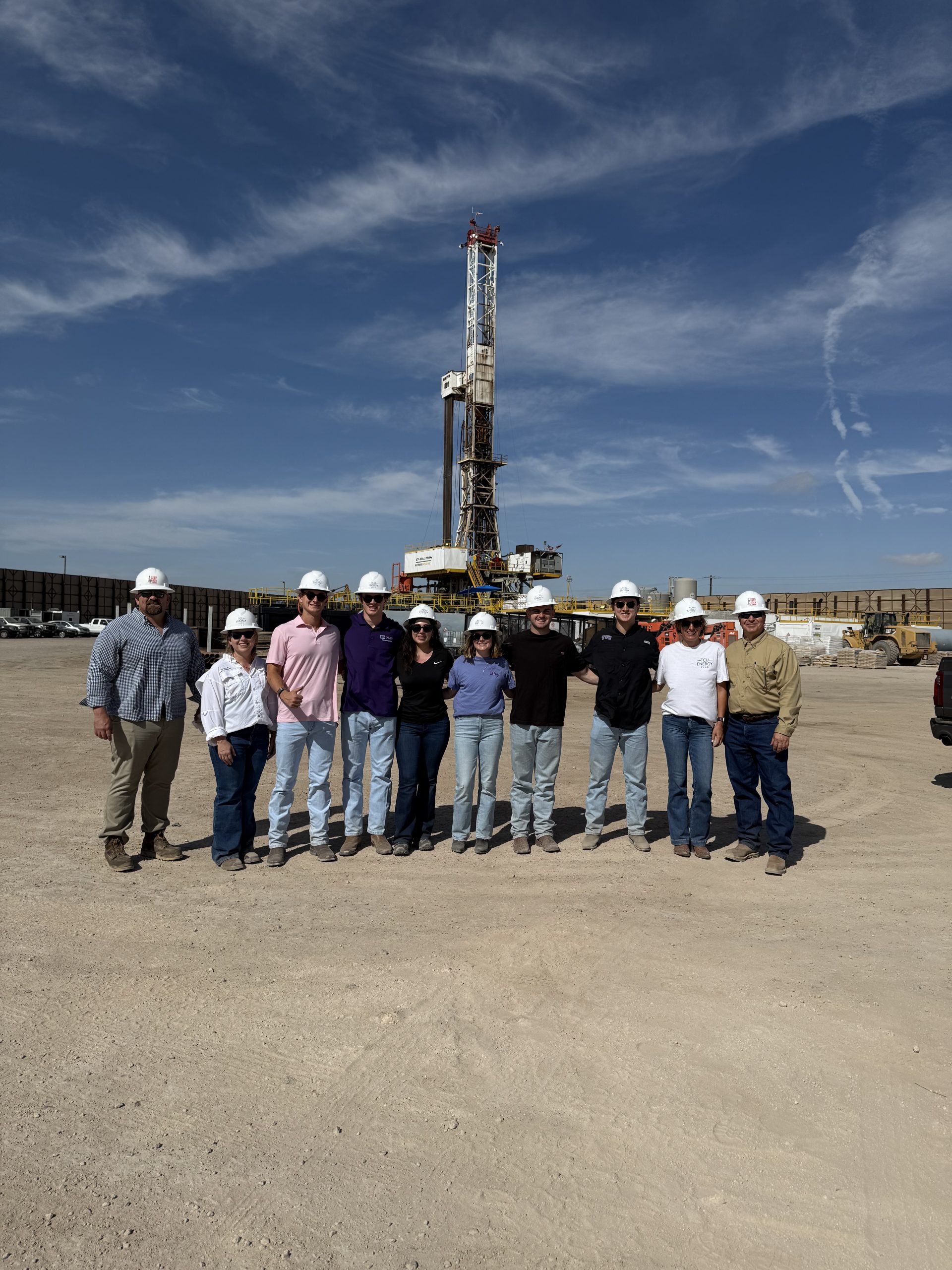
Guest article by TCU’s Ralph Lowe Energy Institute.
That combination has deep roots in the Barnett Shale, the North Texas natural gas reservoir whose development transformed Fort Worth’s energy economy in the early 2000s. Fort Worth became a center of the expertise, entrepreneurship and capital that helped unlock the shale’s potential through advances in horizontal drilling and hydraulic fracturing in an urban environment. The resulting development helped establish an energy ecosystem of companies, investors and professionals experienced in solving complex challenges involving energy, land and infrastructure.
Today, that expertise is taking on new relevance for companies looking to build or invest in what comes next, as Fort Worth’s energy economy moves beyond the below-ground development that defined the Barnett Shale era. That development required energy companies to navigate a dense urban environment, land ownership, rights-of-way and the infrastructure needed to move natural gas where it could be used.
A similar puzzle is now taking shape above ground. Energy-intensive industries, including AI infrastructure, data centers, and advanced manufacturing, require companies to assemble land and connect sites to power, water, fiber and supporting infrastructure. Those needs are creating new opportunities for real estate, midstream, energy and financial expertise already concentrated in Fort Worth.
The connection extends beyond infrastructure. Fort Worth’s energy community has built an entrepreneurial mindset around adapting to changing business needs, solving complex problems and identifying new opportunities.
That ability to adapt is part of Fort Worth’s energy advantage. Just as important are the relationships connecting industry, government, academia and the broader business community. Increasingly complex energy and infrastructure projects require companies to draw on expertise beyond their own organizations, making the right partnerships essential to developing projects that are both successful and economically sustainable.
Fort Worth’s concentration of expertise creates opportunities to build those partnerships and bring different perspectives to the energy questions shaping the region’s future.
Fort Worth’s Energy Strength Creates Economic Opportunity
Today’s energy-intensive development creates new opportunities to apply Fort Worth’s established energy capabilities. Building these projects requires more than access to power. Developers must identify and assemble suitable sites, secure access to power and water, connect fiber and coordinate the infrastructure required to support large-scale operations.
Those demands draw on capabilities already established across Fort Worth’s energy and business community. Real estate expertise helps identify, assemble and develop the land. Midstream companies bring decades of experience building infrastructure and moving energy, water and other resources where they are needed. Upstream oil and gas companies understand power and resource requirements, while the region’s financial community provides the capital and investment expertise needed to move complex projects forward.
The companies behind that expertise are already part of Fort Worth’s business landscape. Fort Worth-based Brazos Midstream built a significant natural gas gathering and processing business in the Permian Basin, an asset base ONEOK agreed to acquire in August for $4.43 billion, incorporating over 600,000 acres.
Together, these companies illustrate the range of expertise already concentrated in Fort Worth. From energy infrastructure to real estate development to capital, all positioning the region for the next phase of the energy economy.
Preparing for Fort Worth’s Next Energy Challenge
Growing investment in data centers, advanced manufacturing and other energy-intensive industries also raises an important consideration for Fort Worth’s economic future: meeting rising demand for reliable power.
Nuclear energy provides a timely example. TCU’s Ralph Lowe Energy Institute brought that issue to the forefront of a convening held in September with leaders across industry, policy and economic development to examine nuclear energy and its potential role in supporting growing power needs. The discussion included Congressman Craig Goldman; Reed Clay, president of the Texas Nuclear Alliance; Dr. Valerie Segovia, vice president of investor relations for Texas Economic Development Corporation and representatives with nuclear industry expertise.

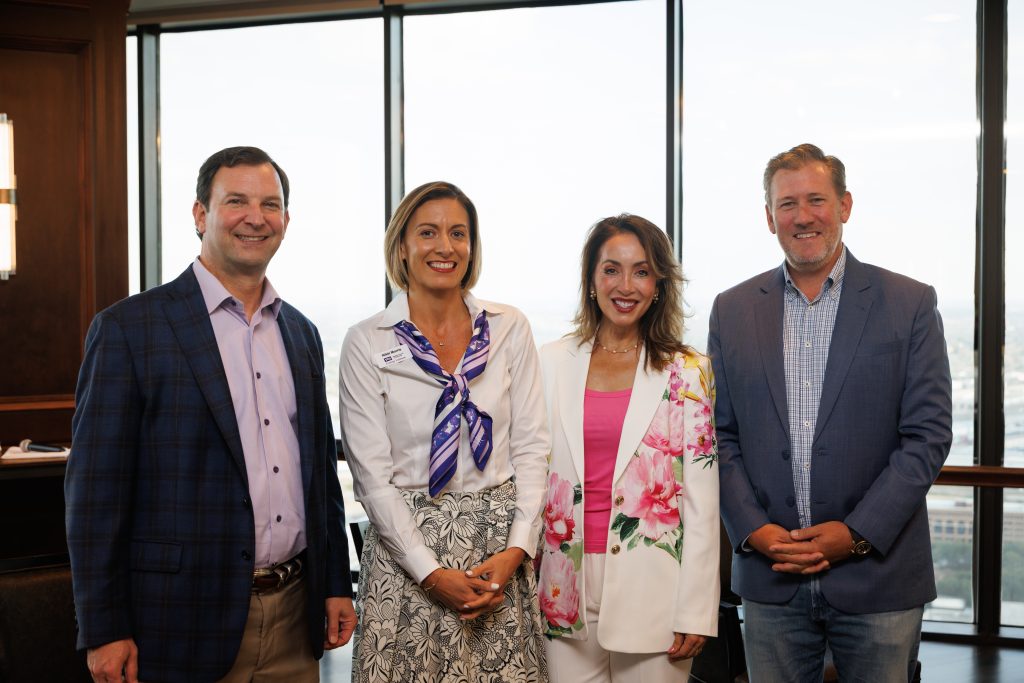
The range of perspectives reflects the institute’s role within Fort Worth’s energy ecosystem. Based in the TCU Neeley School of Business, the Ralph Lowe Energy Institute connects industry, government and academic expertise around important energy issues, creating opportunities for industry leaders to examine emerging challenges and the business opportunities connected to them. By bringing those perspectives together, the energy institute creates a forum for conversations that can help Fort Worth anticipate energy needs and evaluate opportunities tied to continued economic growth.
Small modular reactors (SMRs) were one focus of the discussion in September, particularly their potential to provide power for data centers and other energy-intensive developments. Fort Worth also has existing ties to the nuclear industry through companies such as Fort Worth-based Paragon, which has operated in the region since the 1990s and is now collaborating with Mirion Technologies, a global leader in nuclear safety. As energy intensive developments increase demand for electricity, emerging generation technologies like SMRs could become another factor in the region’s ability to attract and support investment, connecting Fort Worth’s immediate economic development opportunities with a larger conversation about the infrastructure required to sustain them.
Developing Talent and Ideas to Move Energy Forward
The people who will work across the energy industry are another important part of Fort Worth’s energy ecosystem. Growing demand for power and infrastructure creates opportunities across business, technology, policy and the skilled trades, increasing the need to develop talent prepared for an industry that continues to evolve.
The Ralph Lowe Energy Institute combines workforce development with applied research and industry engagement. This summer, six TCU students partnered with the Texas General Land Office to study inactive oil and gas wells that risk being abandoned without a responsible party to cover cleanup costs, a problem the industry refers to as orphaned liabilities, comparing regulatory approaches across multiple states, the students developed a policy framework addressing well transfers, financial assurance, and cleanup funding, which Executive Director Nikki Morris presented last month before the Texas House Committee on Energy Resources.


The project reflects another dimension of Fort Worth’s energy advantage by developing talent through real work on current industry challenges. Students gain experience across business, policy and energy, while industry and government partners gain access to research and perspectives that can contribute to consequential energy conversations.
Turning Fort Worth’s Energy Strengths into Future Opportunity
Fort Worth’s energy sweet spot positions the region to build on its established strengths as new technologies, industries and energy demands emerge. The expertise developed during the Barnett Shale era remains valuable and its application is expanding across infrastructure, real estate, AI infrastructure, and emerging power generation.
For companies looking to build or invest where that talent infrastructure, research, and opportunity already converge, Fort Worth is positioned to support what comes next. A pipeline of graduates with exposure to current energy challenges, experience working alongside industry and the skills to contribute quickly will help companies meet emerging needs and build the next generation of energy businesses and solutions.