
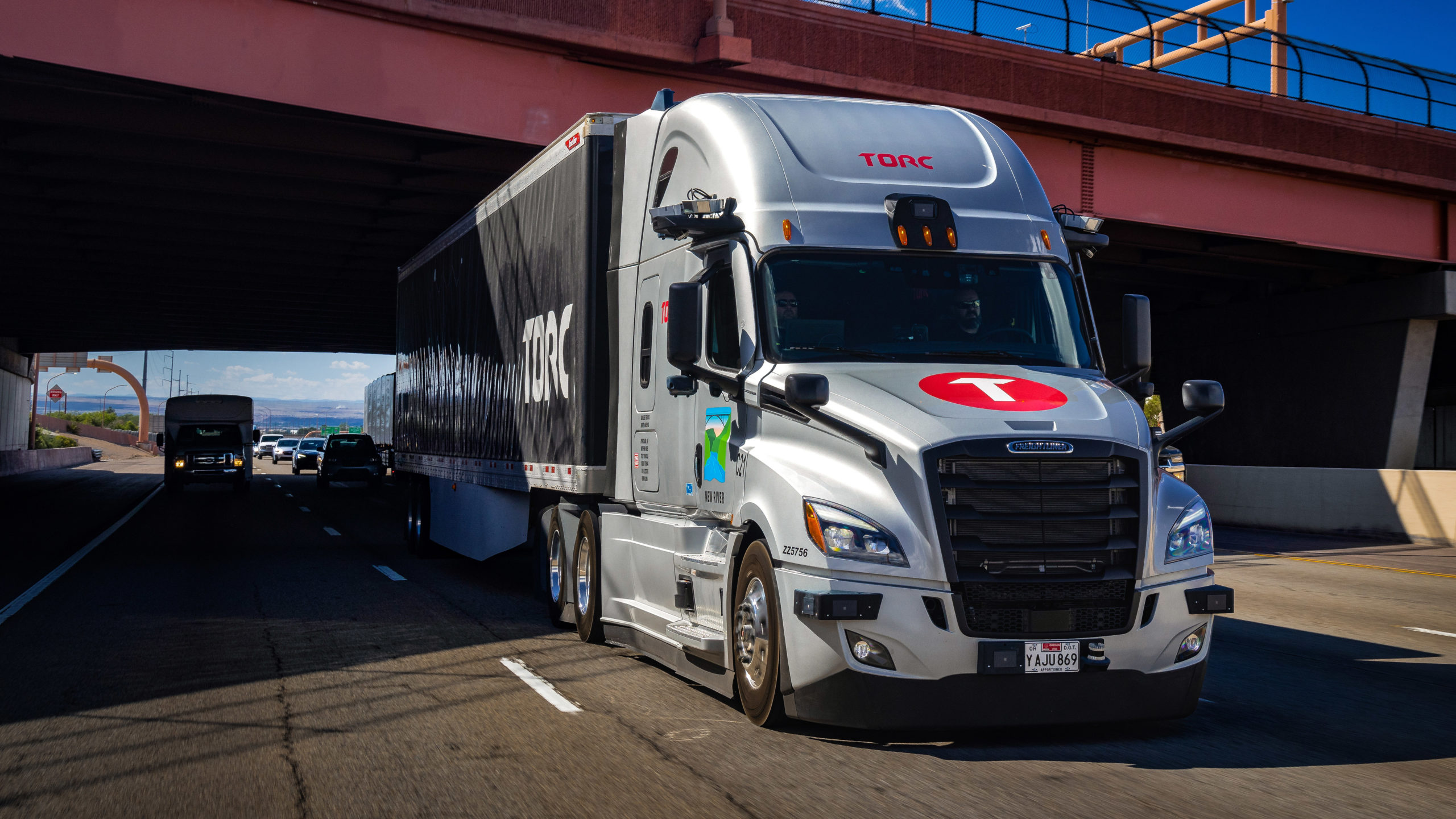
Fort Worth sits at the center of one of the most consequential logistics transformations in the United States. As autonomous trucking companies move from pilot programs to commercial-scale operations, the Dallas-Fort Worth region has emerged as the nation’s primary proving ground—and Fort Worth is home to a growing number of the hubs, terminals, and command centers powering that shift.
Companies including Torc Robotics, Gatik, and Volvo Autonomous Solutions have established operational footholds in Fort Worth, running driverless freight on corridors connecting DFW to Houston, El Paso, Laredo, and beyond. Their presence reflects a broader pattern: when autonomous trucking companies evaluate where to build their North American operations, Fort Worth consistently makes the short list.
A Region Designed for How Freight Actually Moves
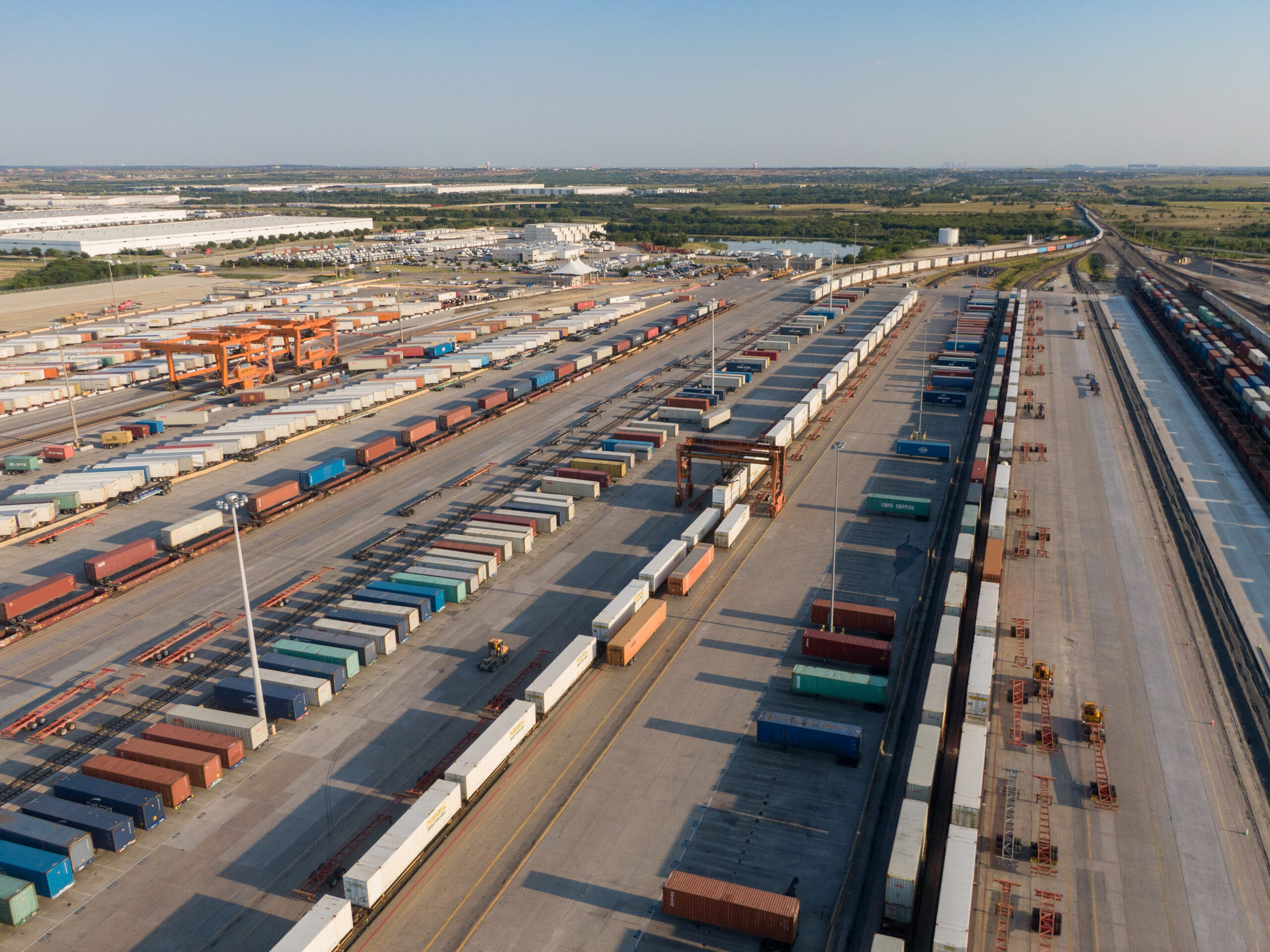
The appeal is clear: Fort Worth and the broader DFW region offer the freight density, infrastructure, and regulatory certainty that autonomous trucking requires to operate at scale rather than in a lab. Texas’s statewide framework for driverless vehicle operations provides the regulatory clarity and safety standards that empower companies to deploy and scale with confidence, while logistics anchors like AllianceTexas, BNSF Intermodal, and Dallas Fort Worth International Airport supply the physical infrastructure for hub-to-hub autonomous freight models to power the future of supply chain logistics.
That infrastructure foundation is only growing stronger. In addition to its preexisting logistics innovation ecosystem at the Mobility Innovation Zone (MIZ), Hillwood recently announced a partnership with the City of Fort Worth and BNSF Railway to create the Alliance Logistics District to further implementation and advancement in autonomous freight. The District will feature roadways specifically engineered for autonomous cargo loads, reducing congestion on nearby corridors and improving service for customers who rely on BNSF’s inland rail port. According to AllianceTexas, that facility currently touches nearly half of all trade in Texas, making it one of the most consequential proving grounds for autonomous freight movement anywhere in the country.
A City Shaping the Industry, Not Just Hosting It
Taken together, the companies, infrastructure, and policy environment concentrated in Fort Worth add up to something significant: a city that is not merely hosting the autonomous trucking industry, but actively shaping it. The Dallas Regional Chamber’s Future of Freight Regional Report offers a comprehensive look at why Dallas-Fort Worth has become the nation’s leading hub for autonomous trucking and next-generation supply chain logistics—a transformation that is generating jobs, attracting capital, and positioning Fort Worth at the leading edge of how goods will move across North America.
+++
The Fort Worth EDP works directly with companies, site selection consultants, and corporate real estate professionals who are interested in moving or expanding to Fort Worth, Tarrant County, and the surrounding areas. If you’d like to learn more about Fort Worth, please schedule a meeting with us or check out our Why Fort Worth page.